
Twenty years ago, the Wisdom Family Foundation set out to give back to their community. Today, that instinct has grown into something more deliberate: an intentional, multi-generational approach to giving that asks “How much are we actually moving the dial?”
Tell us about the Wisdom Family Foundation. In your eyes, what makes it special?
We’ve been fortunate in our lives, and we believe that comes with a responsibility to help others. That has always been at the heart of the Wisdom Family Foundation.
Over time, we’ve become especially passionate about helping children build the inner foundation they need to thrive. A child who knows their worth, trusts their voice, understands their emotions, and believes in their own potential is better equipped to navigate whatever life puts in front of them. We believe that kind of foundation can change the course of a life.
What has changed over our 20 years of giving is how intentional we’ve become about pursuing that mission. We used to think that supporting a good cause was enough. We’ve learned to look deeper. Who is doing something differently? Who understands the people they serve? Who is willing to learn, adapt, and show that their approach is actually working?
I think what makes the Foundation special is that we try to hold both sides of that at once. There is a lot of heart behind why we give, but there is also a responsibility to make sure that generosity translates into something meaningful for the people we hope to serve.
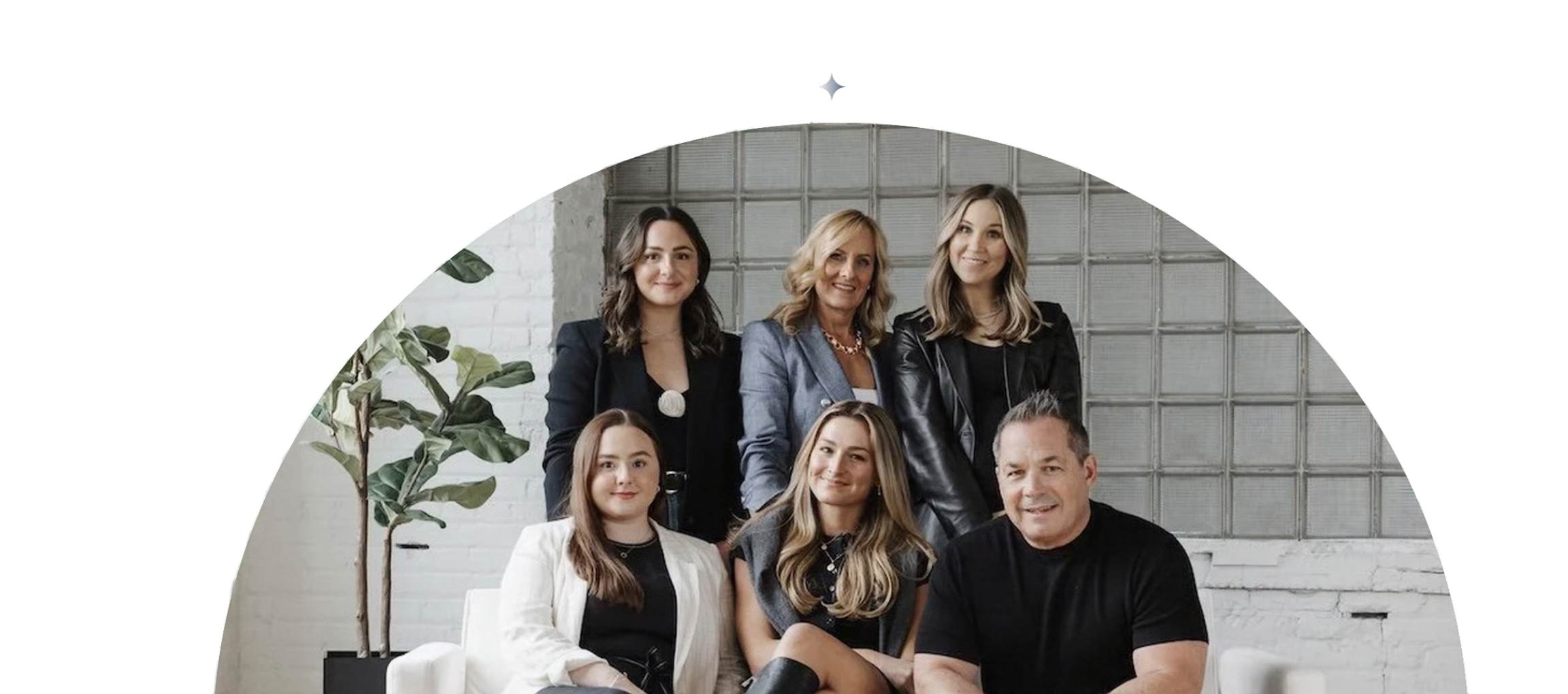
Tell us about the multi-generational aspect of the Wisdom Family Foundation.
One of the things we value most about being a family foundation is that we don’t all see the world the same way, and we think that’s a good thing.
Different generations notice different things. Younger family members may be quicker to recognize emerging issues, technologies, or new ways of approaching an old problem. Other generations bring the perspective that comes from seeing what works over decades, what lasts, and sometimes what sounded promising but didn’t deliver. Those differences create better conversations and challenge all of us to keep learning.
But the multigenerational piece is about more than making better decisions. As parents, we don’t want our daughters to simply inherit a foundation. We hope they inherit the responsibility that comes with it.
If giving back, serving others, and using what you have to create opportunity for someone else become values that each generation makes their own, then the legacy of the Foundation is much bigger than any amount of money we could give away.
What drew you to supporting the Constellation Fund?
What drew us to Constellation was the way they think beyond the check.
There are incredible nonprofits doing important work, but many of them don’t have access to the same technology, expertise, data, or organizational resources available in the private sector. Constellation recognizes that funding the work matters, but strengthening the organization doing the work can be just as important.
That really resonated with us. Through efforts like Beyond Dollars, they can give organizations access to expertise and tools that help them operate more effectively and build for the future. We also appreciate how rigorous they are about understanding and measuring impact. That aligns closely with the direction our own Foundation has taken.
Constellation’s focus on poverty is also deeply connected to our work with children and families. A child’s ability to thrive doesn’t exist in a vacuum. Stability at home, access to opportunity, health, education, and the resources available to a family all shape what is possible for that child.
For us, supporting Constellation is a way to address some of those conditions while also investing in a model that can make many strong organizations even stronger. That multiplier effect is what made the partnership especially compelling to us.
Why is it important for the Foundation to seek out new and different ideas for empowering children and families?
Our thinking has changed quite a bit over 20 years, and especially over the last five. For a long time, like many people in philanthropy, we often responded to compelling requests and causes we cared about. There was a lot of instinct involved.
At some point, we started asking ourselves a harder question. Instead of just, “Are we helping?” we started asking, “How much are we actually moving the dial?”
That question changed the way we give. It pushed us to think less about activity and more about outcomes, to become more focused in our partnerships, and to be more willing to examine whether an approach is actually producing the results everyone hoped it would.
It has also made us much more interested in innovation. We’re drawn to organizations that are willing to use technology, new research, data, and unconventional approaches to solve problems differently. The nonprofit sector often doesn’t have access to the same tools and resources as the private sector, and we think philanthropy can help change that.
Twenty years of experience shouldn’t make us more certain that we have the answers. It should make us better at asking the questions.
Tell us about what you call a “ripple effect of generosity.”
When we talk about a ripple effect, we’re really talking about the idea that generosity rarely stops with the person who receives it.
And generosity doesn’t have to mean writing a check. It can be mentoring someone, sharing your experience, making an introduction, giving your time, or believing in someone at a moment when they may not fully believe in themselves.
That idea is especially powerful when you think about children. If you help change the way a young person sees themselves and what they believe is possible for their life, you haven’t only affected one moment. That can influence the choices they make, the relationships they build, the opportunities they pursue, and eventually the way they show up for other people.
We hope the same is true of generosity itself. Someone who has been given an opportunity may someday create one for somebody else. Someone who has been supported may become the person who supports another.
That is the ripple we care about. Not generosity that ends with a transaction, but generosity that keeps moving.
What are the moments when you feel most inspired by the Foundation’s work?
For me, it’s when the work stops being numbers on a page and becomes a person.
You can read reports and look at outcomes, and those things are important to us. But then you hear about a young person who found confidence they didn’t have before, a child who sees a different future for themselves, or a family that finally feels like they have the support and tools they need, and it reminds you why all of this matters.
I’m also incredibly inspired when we see an organization we believed in take what we helped provide and turn it into something much bigger. Maybe they’re able to reach more children, strengthen a program, or build something that will continue without us.
Those are the moments that stay with you. You realize that something is different because people chose to care, contribute, and work together. Being able to play even a small part in that is incredibly meaningful.